
Disaster Specific Resources
-
Learn how to prepare your farm for the cold months of winter with practical, cost-effective strategies in this Winterizing Your Farm Video.
-
Prioritize human safety first. Use this resourceto learn how to identify risks, take preventative measures, recognize the early signs of heat illness, and respond quickly.
Management practices to implement to reduce heat stress on animals and crops can be found in this resource.
-
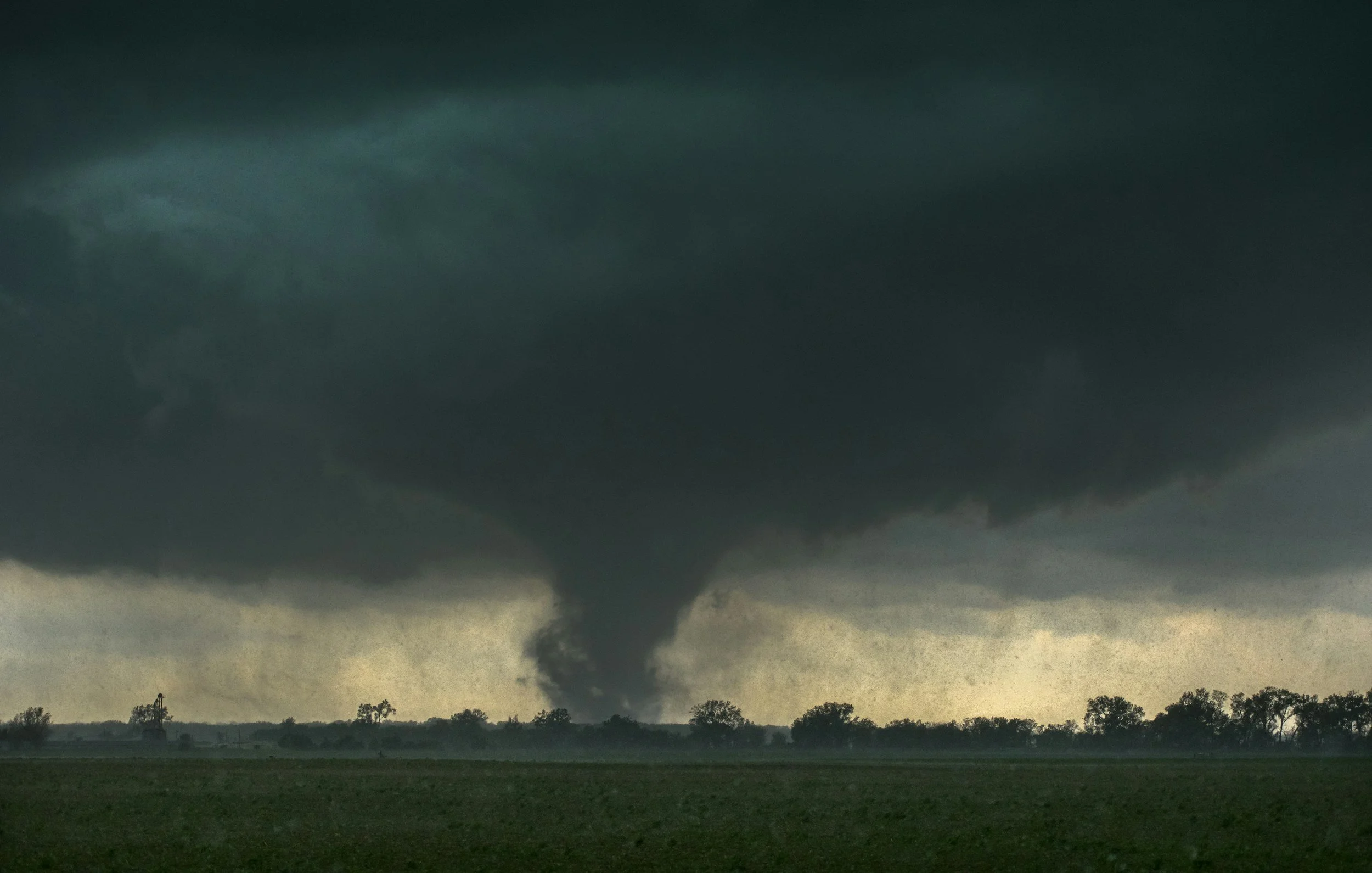
For checklists to prevent, prepare for, and recover from fires, floods, and tornadoes specifically, visit Disaster Preparation Guide for Fires, Floods, and Tornadoes.
Safety protocols after fires and floods:
Post-flood soil safety testing guidance:
Wait until the soil surface is dry to test for contaminants.
A 60–120 day waiting period is recommended before planting or harvesting edible crops.
-
-
Steps to take to minimize the impact of wind:
Consider natural windbreaks, such as hedgerows—do you have them already, or can you plant them?
Keep prevailing winds in mind when building or relocating structures.
Anchor lighter structures like sheds and greenhouses deep into the soil.
Make sure trash and loose items are put away into a protected area.
Install heavy duty doors that will not blow open.
-
Rural Advancement Foundation International (RAFI) has a new guide on drought and disaster assistance for farmers in the Southeast.
The USDA Forest Service has also released a guide: Forage: A Producers Guide to Drought Preparation, Management, and Recovery in the Southeastern United States
Steps to take to minimize the impact of drought:
Build soil health by using no-till or low till methods, rotating crops, planting cover crops, increasing biodiversity, integrating livestock and building up organic matter.
Use mulch to help soil retain water.
Increase the efficiency of your irrigation system by using drip and timing waterings.
Plant drought-tolerant cultivars/varieties.
Implement rotational grazing for livestock.
-
Steps to take to minimize the impact of power outages:
Have a standby or backup power source (e.g., *generator, battery or solar-powered equipment).
*Ensure ventilation/keep generator exhaust far from buildings to prevent carbon monoxide poisoning
If possible, use automatic transfer switches.
Install surge protectors on sensitive electrical equipment.
Unplug non-essential equipment.
Stock up on necessary supplies, like fuel for generators, batteries, non-perishable foods, and first-aid supplies.
-
Steps to take to minimize the impact of disease outbreaks:
Wash hands with warm water and soap for 30 seconds before entering or exiting your barn.
Maintain a separate set of clean clothing and boots to wear in the barn.
Maintain a log of people coming in and out of barns containing animals.
Work the healthiest and youngest animals first and then work oldest and sick animals at the end of the day.
Take at least 48 to 72 hours of “down time” before going to another farm that has livestock or going back to your own farm and make sure anyone entering your barn follows this practice.
Clean and disinfect your barn and in-barn office and rotate disinfectants on a regular basis.
Maintain routine pest control, and check bates and traps consistently.
Restrict access to your facility by having signs and a gate or chain at the entrance of livestock and farm areas.