
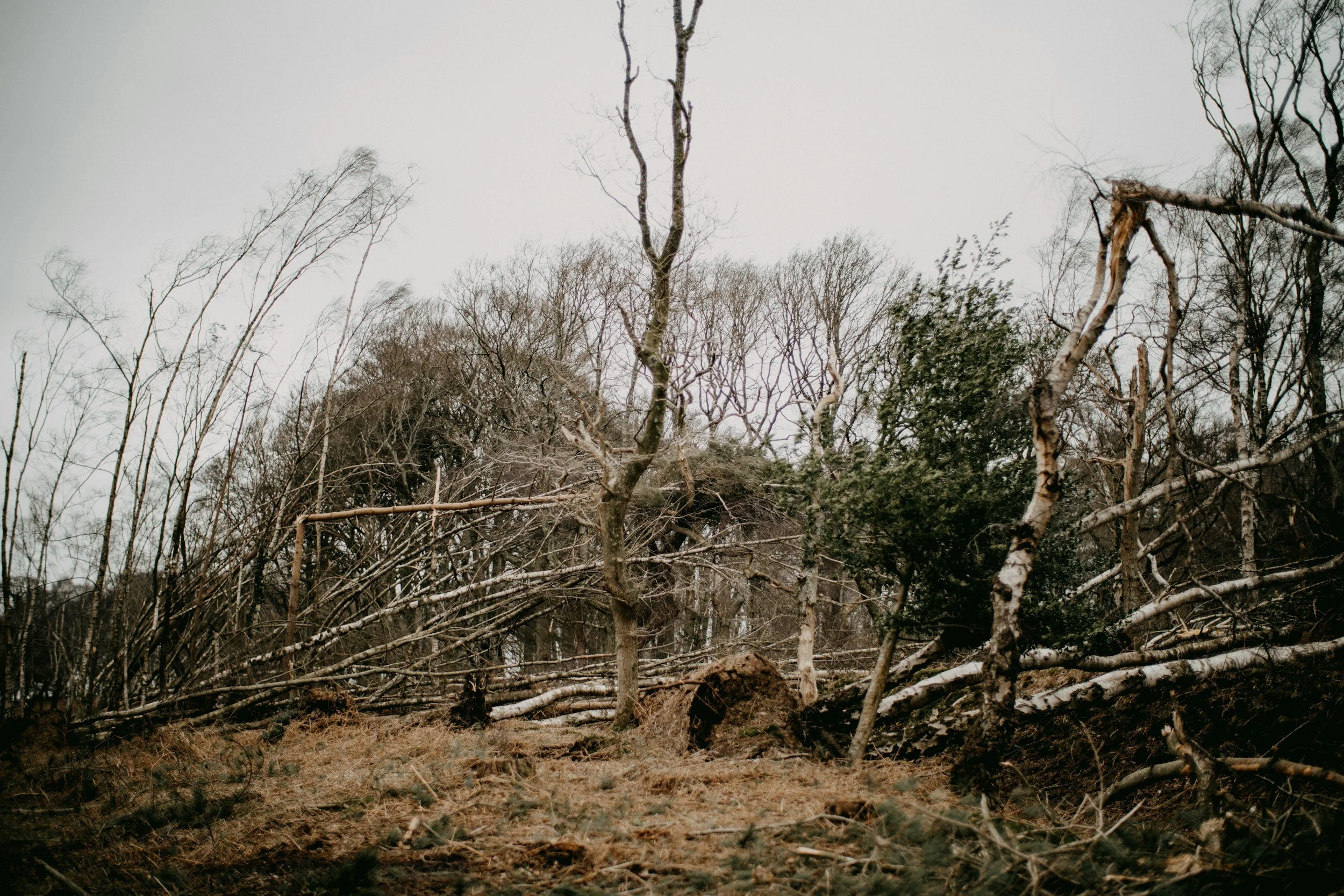
After a Disaster
-
FIRST 24 HOURS
Prioritize personal safety before assessing damage.
Watch out for downed power lines, live electrical wires, broken glass, and sharp metal, especially in flooded areas.
Before you start cleaning up, document the damage. Take notes and photograph affected crops, structures, and equipment.
How to document damage for insurance claims and relief aid: Take extensive photos/videos (wide, close-up, dated) and create detailed inventories of everything damaged, including serial numbers, receipts, and repair costs. Keep records of all communications and expenses and get professional assessments for more complex losses.
FIRST 72 HOURS
Contact Local Agencies: Reach out to your local FSA and NRCS offices to report damage and begin applications.
Check Insurance Policies: Notify your crop insurance agent as soon as possible.
FIRST WEEK
Monitor Deadlines: Many programs have tight application windows following a disaster.
-
Federal Resources: (find additional info below under USDA Disaster Programs)
USDA Farm Service Agency (FSA):
Emergency Loan Program: Low-interest loans for recovery efforts
Tree Assistance Program (TAP): Financial help for rehabilitating or replanting damaged trees, bushes, and vines
Emergency Conservation Program (ECP): Funding for repairing farmland and infrastructure
Noninsured Crop Disaster Assistance Program (NAP): Assistance for crops not covered by federal insurance
State Resources:
Georgia Department of Agriculture (GDA):
Georgia Agricultural Disaster Response: Updates and assistance during declared agricultural disasters.
University of Georgia (UGA) Cooperative Extension:
Weather Emergency Guide: Educational tools for recovering from extreme weather
Local Extension Agents: Free technical support for assessing damage
Nonprofit & Community Resources:
Farmer Resource Network: Emergency funds and regional support connections
Rural Advancement Foundation International (RAFI): Educational resources for disaster recovery & Disaster Hotline
Emergency Farmer Fund: Relief funding for natural disasters and medical emergencies
Additional Resources:
Small Business Administration (SBA):
Disaster Assistance Loans: Low-interest loans for rebuilding farm infrastructure
Georgia Farm Bureau: Guidance on disaster declarations and insurance claims
-
Local and national farmer mental health hotlines:
988 Suicide & Crisis Lifeline: Call or text 988 for 24/7 mental health support
Georgia Crisis & Access Line: Call 1‑800‑715‑4225 for 24/7 mental health support
Farm Aid Farmer Hotline: Call 1‑800‑327‑6243 Mon-Fri 9am-9pm ET for farmer support
Disaster Distress Helpline: Call 1‑800‑985‑5990 for 24/7 support for stress related to natural disasters and emergencies
RAFI’s (Rural Advancement Foundation International) Farmer Crisis Hotline: Call 866-586-6746 Mon-Fri 9am-5pm
Tips for managing stress and burnout post-disaster:
Connect with peers and neighbors: Regular check‑ins with other farmers, family, or trusted friends help reduce feelings of isolation after a disaster.
Practice self-care habits routinely:
Prioritize sleep, hydration, and breaks.
Schedule time away from farm tasks for rest and activities you enjoy.
Don’t hesitate to reach out to your community, friends, and professional support when needed.
Georgia Foundation for Agriculture’s Peer‑to‑Peer Support Program: Farmers and families can access peer support tools, trainings, conversation guides, and referrals to help one another through stress.
-
*You must have a farm number to apply for FSA disaster assistance programs and crop insurance. Read about how and why to get a farm number here.
ELAP (Emergency Assistance for Livestock, Honeybees, and Farm-Raised Fish):Offers financial aid to producers of livestock, honeybees, and farm-raised fish who suffer losses from specific adverse conditions not covered by other USDA disaster assistance programs and includes losses due to disease, certain adverse weather events, and other qualifying conditions.
LIP (Livestock Indemnity Program): Provides benefits to livestock producers for livestock deaths in excess of normal mortality caused by adverse weather or by attacks by animals reintroduced into the wild by the federal government.
TAP (Tree Assistance Program): Provides financial assistance to qualifying orchardists and nursery tree growers to replant or rehabilitate eligible trees, bushes and vines damaged by natural disasters.
ECP (Emergency Conservation Program): Offers financial and technical assistance to agricultural producers to repair and restore farmland affected by natural disasters such as floods, hurricanes, wildfires, drought, and other calamities. ECP helps farmers and ranchers implement emergency conservation measures to rehabilitate damaged land, restore agricultural production, and prevent further environmental degradation.
NAP (Noninsured Crop Disaster Assistance Program): Provides financial assistance to producers of non-insurable crops to protect against natural disasters that result in lower yields or crop losses or prevent crop planting.
Qualifying documents needed after a disaster:
Acreage Report (FSA-578): A mandatory report filed with your agent listing all planted acres, crop types, and your share
Production Reports: Records of past yields (usually 4-10 years) used to establish your Actual Production History (APH) and coverage levels
Sales Receipts
Organic Certificate: For organic crops, a certificate from a certifying agent is required by the acreage reporting date.
Prevented Planting Documentation: If a crop could not be planted, you must provide records from agricultural experts regarding site conditions.
Farm Records: Evidence of land ownership or operator agreements
Dated photos/videos of damage
Estimating economic loss:
Create a detailed list of losses and damages, including make, model, age, and purchase price of damaged infrastructure to help determine depreciation, as appropriate.
Secure written estimates from local contractors for repairs to buildings or machinery.